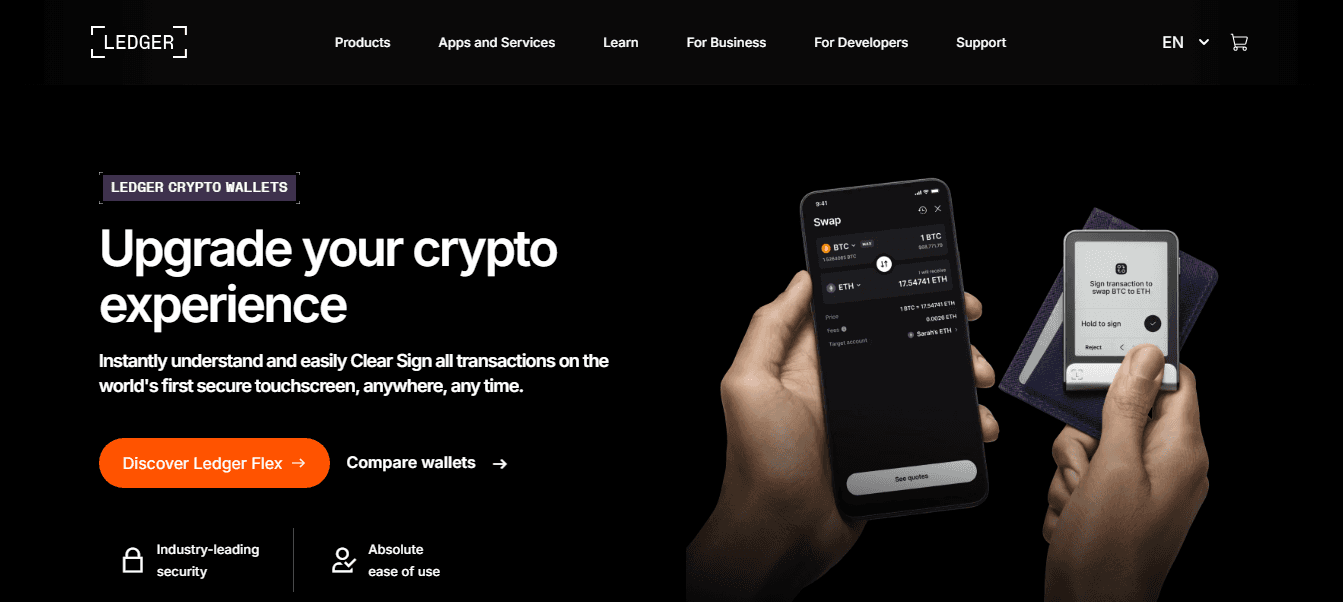
Ledger Login: A Complete Guide to Secure Access and Crypto Account Management
Ledger login is a secure process that allows users to access and manage their cryptocurrency accounts using Ledger hardware wallets and official software. Unlike traditional logins that rely on usernames and passwords, Ledger login is built around cryptographic verification and physical device confirmation. This approach ensures a much higher level of protection while giving users full control over their digital assets.
This guide explains what Ledger login means, how it works, why it is secure, and how users can follow best practices to protect their crypto holdings.
What Is Ledger Login?
Ledger login refers to the authentication process used when accessing crypto accounts through Ledger-supported applications. Instead of signing in with personal credentials stored online, users authenticate themselves by connecting their Ledger hardware wallet and confirming actions on the device itself.
This method eliminates many common risks associated with traditional logins, such as password theft, phishing attacks, and database breaches. Access is granted only when the physical device is present and the correct security steps are completed.
How Ledger Login Works
Ledger login is based on hardware-backed security. When a user opens the Ledger application and connects their device, the software communicates with the hardware wallet. The wallet verifies the user’s identity through cryptographic keys stored securely inside the device.
To complete the login process, the user must unlock the device with a PIN and confirm access when prompted. No private keys or sensitive credentials are ever exposed to the computer or mobile device.
Difference Between Ledger Login and Traditional Login Systems
Traditional login systems usually rely on usernames, passwords, and sometimes two-factor authentication. These methods depend on online servers that can be compromised. Ledger login is fundamentally different because it does not rely on stored credentials or centralized authentication servers.
Instead, identity verification is performed locally using the hardware wallet. This means there is no password database to hack and no login credentials that can be stolen remotely.
Why Ledger Login Is Considered Highly Secure
Ledger login is considered highly secure because it combines multiple layers of protection. First, private keys are generated and stored inside a secure element within the hardware wallet. These keys never leave the device. Second, all login and transaction approvals require physical confirmation.
Even if a computer is infected with malware, the attacker cannot log in or move funds without access to the physical Ledger device and the correct PIN.
The Role of the Ledger Hardware Wallet
The Ledger hardware wallet plays a central role in the login process. It acts as the ultimate authority for authentication. When users attempt to log in, the device verifies the request and signs it securely.
Because the hardware wallet operates independently of the internet-connected device, it provides strong isolation from online threats. This design is one of the main reasons Ledger login is trusted by crypto users worldwide.
Setting Up Ledger Login for the First Time
To use Ledger login, users must first set up their hardware wallet. This includes creating a PIN and securely recording a recovery phrase. The recovery phrase is the only backup that can restore access to funds if the device is lost or damaged.
Once setup is complete, users install the official Ledger software and connect their device. From that point onward, login and access are handled through the hardware wallet.
Unlocking the Device During Login
Every Ledger login session begins by unlocking the device with a PIN. This step ensures that only the rightful owner can authorize access. After several incorrect PIN attempts, the device resets automatically, protecting it from brute-force attacks.
This PIN-based unlocking adds an important layer of physical security to the login process.
Managing Accounts After Login
After a successful Ledger login, users can access their crypto accounts, view balances, review transaction history, and initiate transfers. Each action that affects funds requires confirmation on the hardware wallet, ensuring that no operation can occur without user approval.
This design ensures transparency and gives users confidence that nothing happens without their knowledge.
Ledger Login and Privacy
Ledger login does not require users to submit personal information such as names, email addresses, or passwords for basic access. Authentication is handled entirely through cryptographic proof and device verification.
This privacy-focused approach aligns with the principles of self-custody and decentralized finance, where users retain control without unnecessary data sharing.
Common Ledger Login Scenarios
Ledger login is commonly used when accessing crypto management software, authorizing transactions, or managing multiple accounts. It may also be required when interacting with decentralized applications that support hardware wallet authentication.
In all cases, the login process remains consistent: connect the device, unlock it, and confirm access when prompted.
Troubleshooting Ledger Login Issues
Sometimes users may experience login difficulties due to connection issues, outdated software, or incorrect device settings. Common solutions include reconnecting the device, restarting the application, or ensuring that the device firmware is up to date.
Users should always rely on device prompts and never approve unexpected login requests.
Best Practices for Safe Ledger Login
To keep Ledger login secure, users should follow several best practices. The recovery phrase should be stored offline in a safe location and never shared. The device PIN should be kept private and not reused elsewhere.
Users should also be cautious of phishing attempts and only interact with official software. Verifying prompts on the hardware wallet screen is essential before approving any login or transaction.
Ledger Login on Different Devices
Ledger login works across desktop and mobile platforms. While the interface may differ slightly, the security process remains the same. The hardware wallet must always be connected and unlocked to authorize access.
This consistency ensures that users receive the same level of protection regardless of the device they are using.
Advantages of Ledger Login
One of the main advantages of Ledger login is the elimination of passwords. This removes a major attack vector and simplifies account access without sacrificing security. The requirement for physical device confirmation ensures that only the owner can log in.
Another advantage is independence from centralized systems. Users are not reliant on third-party authentication servers, reducing the risk of service outages or data breaches.
Limitations to Be Aware Of
Ledger login requires access to the physical device. While this enhances security, it also means users cannot log in if the device is unavailable. This makes secure storage and careful handling of the device essential.
However, this trade-off is often considered worthwhile for the level of protection provided.
The Future of Ledger Login
As the crypto ecosystem evolves, Ledger login is expected to support more applications and use cases. Hardware-based authentication is becoming increasingly important as users seek safer alternatives to traditional login systems.
Ledger login is well positioned to remain a key component of secure digital asset management.
Conclusion
Ledger login represents a modern and secure approach to accessing cryptocurrency accounts. By replacing passwords with hardware-backed authentication and physical confirmation, it significantly reduces the risk of unauthorized access.
For users who value security, privacy, and full control over their digital assets, Ledger login provides a reliable and trusted way to manage crypto accounts safely in an increasingly complex digital environment.